
Behind the Scenes: Filmmaking Magic Uncovered
- Stephen Marshall
- Nov 8
- 4 min read

Filmmaking often feels like pure magic when we watch a movie. The seamless flow of scenes, the stunning visuals, and the emotional impact all come together to create an immersive experience. But behind every frame lies a complex process involving countless skilled professionals and creative decisions. This post takes you behind the scenes to uncover the real work and artistry that bring films to life.
The Foundation: Script and Storyboarding
Every film starts with a story. The script is the blueprint that guides the entire production. Writers craft dialogue, plot, and character arcs, shaping the narrative that will captivate audiences. Once the script is ready, storyboarding begins. This process involves creating visual sketches of each scene to plan camera angles, movements, and transitions.
Storyboards help directors and cinematographers visualize the film before shooting. They also assist the crew in understanding the flow and timing of scenes. For example, in action films, storyboards are essential to choreograph complex sequences safely and effectively.
Casting and Rehearsals
Casting is more than just finding actors who look the part. Directors seek performers who can bring depth and authenticity to their characters. Casting directors hold auditions, screen tests, and callbacks to find the perfect fit.
Once cast, actors rehearse scenes to build chemistry and refine performances. Rehearsals allow directors to experiment with delivery, pacing, and blocking—the precise movements actors make on set. This preparation ensures that filming runs smoothly and captures the intended emotion.
The Role of the Director and Cinematographer
The director is the creative leader who shapes the film’s vision. They make decisions about tone, style, and storytelling. The director works closely with the cinematographer, also known as the director of photography, who manages the camera and lighting teams.
Cinematographers choose lenses, lighting setups, and camera movements to create the desired mood. For example, a close-up shot with soft lighting can convey intimacy, while a wide-angle shot with harsh shadows might build tension. Together, the director and cinematographer translate the script into visual storytelling.
Production Design and Set Construction
The look and feel of a film depend heavily on production design. Production designers create the physical world where the story unfolds. This includes sets, props, costumes, and makeup.
Building sets can be a massive undertaking. For instance, recreating a historical period might require constructing entire streets or buildings on a soundstage. Attention to detail is crucial to maintain authenticity and immerse viewers in the story’s environment.
Lighting and Sound on Set
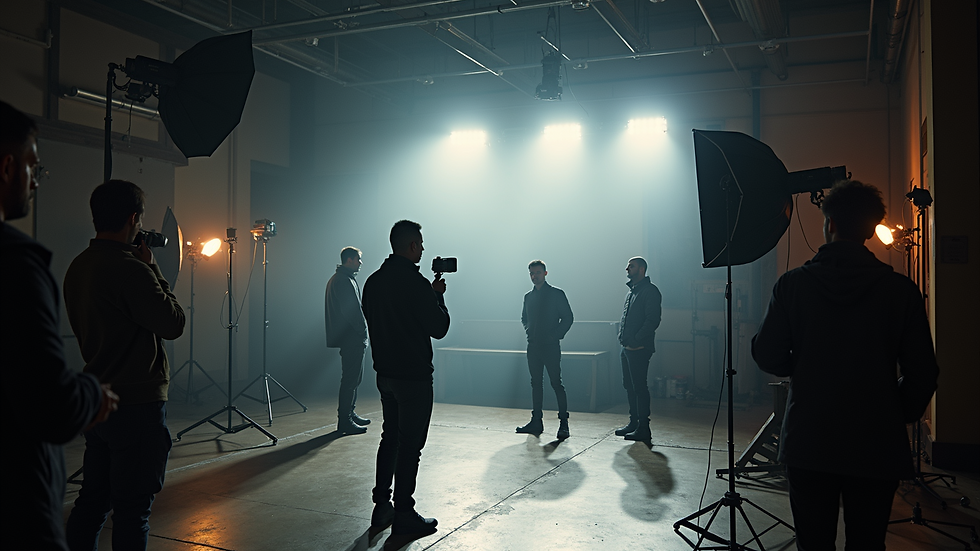
Lighting shapes how scenes appear on camera. Lighting technicians use various tools to control brightness, color, and shadows. Proper lighting enhances mood and highlights important elements within a frame.
Sound is equally important. Sound engineers capture dialogue, ambient noise, and special effects during filming. They use boom microphones, lavalier mics, and other equipment to ensure clear audio. Good sound recording reduces the need for costly re-recording later.
Camera Techniques and Movement
Cameras do more than record images; they tell stories through movement and framing. Different techniques create different effects:
Tracking shots follow characters, adding energy and immersion.
Static shots hold the frame steady, focusing attention on dialogue or detail.
Handheld shots add a sense of realism and urgency.
Crane shots provide sweeping views and dramatic reveals.
Choosing the right technique depends on the scene’s purpose and emotional tone.
Special Effects and Visual Effects
Many films rely on special effects (SFX) and visual effects (VFX) to create scenes that are impossible or dangerous to film in reality. Special effects are practical effects done on set, such as explosions, rain machines, or prosthetic makeup.
Visual effects are added in post-production using computer-generated imagery (CGI). For example, creating a fantasy creature or a futuristic cityscape often involves VFX artists working frame by frame to blend digital elements with live-action footage.
Editing: Crafting the Final Story
Editing is where the film truly takes shape. Editors assemble raw footage, choosing the best takes and arranging scenes for maximum impact. They control pacing, transitions, and continuity.
Editors also work with sound designers and composers to integrate music and effects. For example, a suspenseful scene might use quick cuts and tense music to build anxiety. The editor’s skill can transform hours of footage into a coherent and engaging story.
Sound Design and Music
Sound design goes beyond dialogue and ambient noise. It includes creating or enhancing sounds to support the story. Footsteps, weather, machinery, and even silence contribute to the atmosphere.
Music scores add emotional depth. Composers write original music or select existing tracks to match the film’s tone. For example, a romantic scene might feature a soft piano melody, while an action sequence uses fast-paced orchestral music.
The Importance of Collaboration
Filmmaking is a team effort. Directors, writers, actors, designers, technicians, and many others collaborate closely. Communication and coordination are essential to keep the production on schedule and within budget.
Each department relies on others. For example, the lighting team works with the cinematographer to achieve the desired look, while the costume department coordinates with production design to maintain visual consistency.
Real-World Example: How a Famous Scene Was Made
Consider the iconic hallway fight scene in the film Oldboy (2003). The scene was shot in a single long take, requiring precise choreography and timing. The director, cinematographer, and stunt team rehearsed extensively to capture the brutal fight without cuts.
Lighting was carefully arranged to maintain visibility while preserving the gritty atmosphere. The camera moved smoothly alongside the actor, immersing viewers in the action. This scene shows how planning, teamwork, and technical skill create memorable moments.
Final Thoughts
Understanding the filmmaking process reveals the effort behind every movie. From writing and casting to lighting and editing, each step shapes the story we see on screen. Next time you watch a film, consider the many hands and minds that made it possible.
If you are interested in filmmaking, start by exploring one area that excites you, whether it’s writing, directing, or camera work. Learning the craft takes time, but it offers a rewarding way to bring stories to life.
Keep watching films with curiosity, and you’ll discover new layers of creativity behind the magic.
This post is for informational purposes only and does not provide professional filmmaking training.


Comments